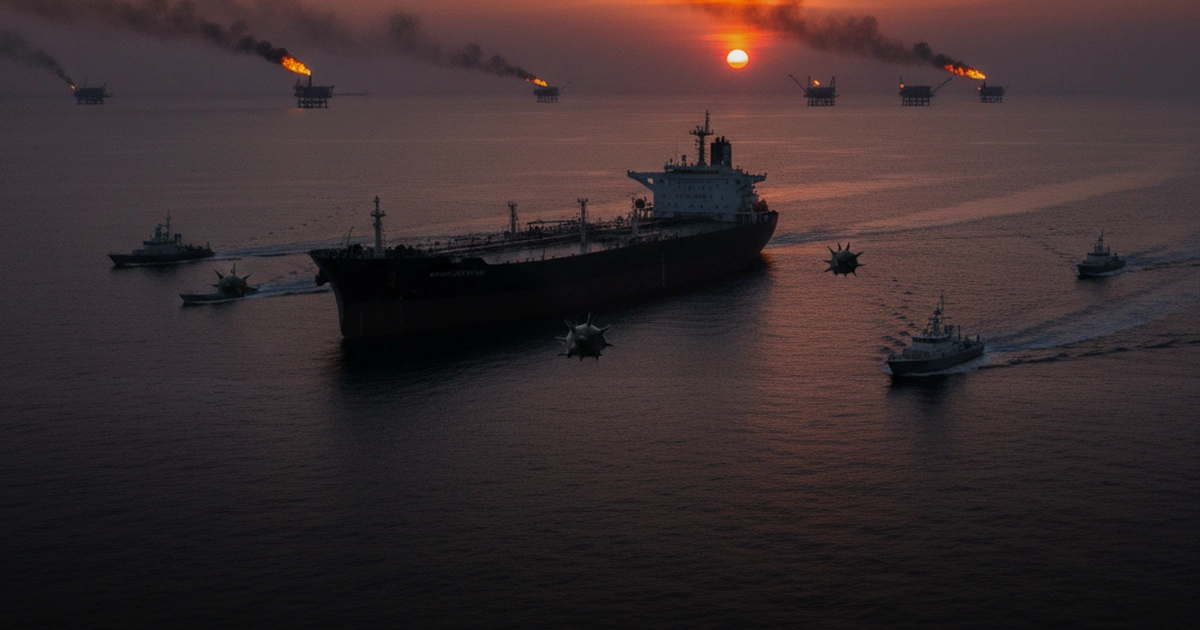
- Donald Trump confirmed his intent to influence the selection of Iran’s next leader, marking a shift toward explicit regime change objectives.
- Iranian drones reportedly struck an international airport in Azerbaijan’s Nakhchivan exclave, causing injuries and damage.
- The IDF reports 80% of Iranian air defenses and 60% of missile launchers are now destroyed.
The U.S. military campaign has transitioned from a focus on degrading military infrastructure to an explicit pursuit of regime change in Tehran.
The Shift to Regime Change
Donald Trump stated on March 5 that he intends to be involved in the appointment of Iran’s next leader, rejecting recent overtures from Iranian officials seeking a deal.
This marks the first time the administration has publicly framed the selection of a successor as a central war aim. Trump previously focused on the destruction of nuclear facilities, including Natanz and Isfahan.
The administration’s hardening stance comes as backchannel communications between Iranian intelligence and the CIA have failed to produce a ceasefire. Trump dismissed these outreach efforts, indicating a preference for continued military pressure. By prioritizing a hand-picked successor over a negotiated settlement, the administration signals a long-term commitment to occupation or deep political interference. This strategy forces a binary outcome: either a total collapse of the current clerical structure or a protracted insurgency that could drain U.S. resources for years.
Drone Strikes in Azerbaijan
The conflict expanded geographically on March 5 when Iranian drones struck the passenger terminal at Nakhchivan International Airport in Azerbaijan.
Two people were injured in the strike, which occurred in an exclave separated from mainland Azerbaijan by Armenian territory. While Tehran denies launching the UAVs, the strike adds a new front to a war that has already seen explosions in Tehran and ongoing strikes against four major nuclear sites.
Azerbaijan is not a participant in the conflict, yet it now faces collateral damage similar to previous incidents involving stray debris. The IAEA continues to monitor the status of nuclear materials as the combat zone widens.
Operational Status
The U.S. and Israeli military campaign has successfully neutralized a significant portion of Iran’s conventional capabilities.
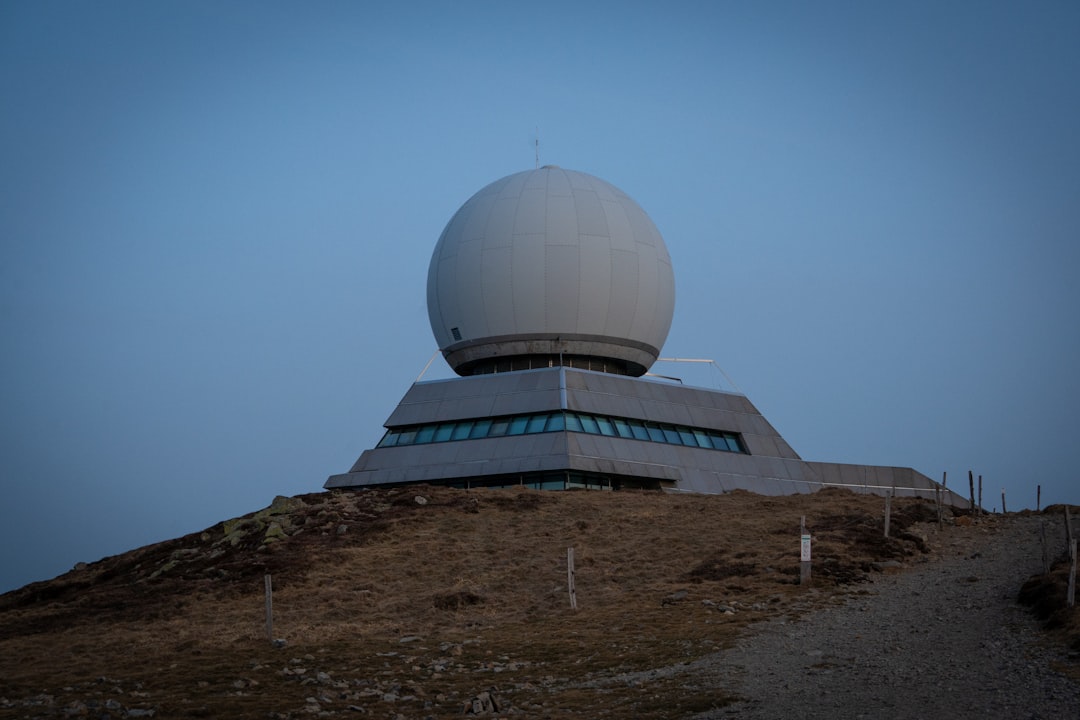
The IDF reports that 80% of Iran’s air defenses and 60% of its missile launchers are destroyed. Secretary of Defense Pete Hegseth maintains that the U.S. possesses the necessary resources to sustain the operation, even as international diplomatic bodies call for urgent de-escalation.
The conflict has now persisted for six days with no formal authorization from Congress. If the campaign continues at the current pace, the lack of an approved war budget will likely force a legislative confrontation in Washington.
The military has destroyed the majority of Iran’s ability to strike back. However, the administration now faces a strategic choice. It must either commit to a full-scale occupation to enforce its regime change mandate or risk a power vacuum that could invite regional chaos. The political cost of this decision remains the primary variable in the success of the campaign.