The Colonel Trade: What Iran Got for Releasing a US Officer
- US forces successfully rescued a colonel from Iran on April 5, prompting Trump to post profanity-laden social media rants celebrating the operation
- Iran arrested relatives of deceased Quds Force commander Qasem Soleimani in apparent retaliation for the rescue operation
- Tehran warned that US-Israeli strikes on nuclear facilities could cause radioactive fallout across the region as the six-week conflict escalates
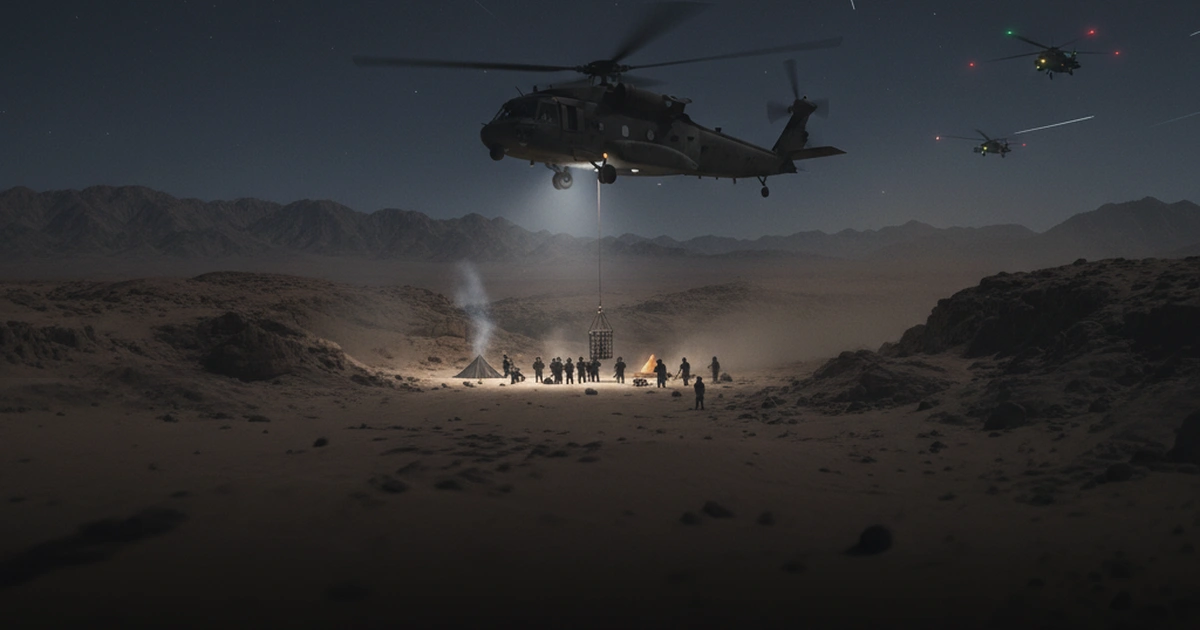
Trump unleashed profanity-laden social media posts after US forces rescued a colonel from Iranian territory on Day 38 of the conflict. The rescue operation marked a tactical success for American forces after six weeks of combat operations.
The colonel’s identity and capture circumstances remain classified, according to US officials. Officials confirmed the extraction but provided no details about the mission’s location or methods. The operation represents the first confirmed recovery of American military personnel since the conflict began in late February.
Trump’s social media posts celebrated the rescue with explicit language targeting Iranian leadership, according to military sources. The posts marked his most aggressive rhetoric since the conflict escalated beyond initial strikes on Iranian nuclear facilities.
The Prisoner Exchange
Iran responded to the colonel’s rescue by arresting relatives of late Quds Force commander Qasem Soleimani. The arrests targeted family members of the general killed in a 2020 US drone strike, according to BBC reporting.
Iran’s Foreign Ministry spokesperson Nasser Kanani defended the arrests as “lawful detention of individuals suspected of collaboration with enemy forces,” according to Tasnim News Agency. Kanani claimed the detained relatives had maintained contact with US intelligence services since 2020.
The timing suggests Iran views the arrests as leverage for future prisoner negotiations. Soleimani’s relatives had maintained low profiles since his death six years ago. Their detention signals Iran’s willingness to expand targeting beyond direct military participants.
US forces continue searching for at least one missing airman shot down during recent combat operations. The search operation spans multiple provinces in central Iran, according to military officials.
The airman’s aircraft went down during strikes on Iranian air defense installations. Recovery efforts face significant obstacles from Iranian ground forces and difficult terrain. Military officials acknowledge the search has entered its sixth week without locating the missing crew member.
Nuclear Escalation Warnings
Iran issued its strongest nuclear warning yet, claiming US-Israeli strikes on nuclear sites risk radioactive fallout across the region. The warning came after sustained bombing campaigns against Iranian nuclear infrastructure, according to Tehran’s atomic energy organization.
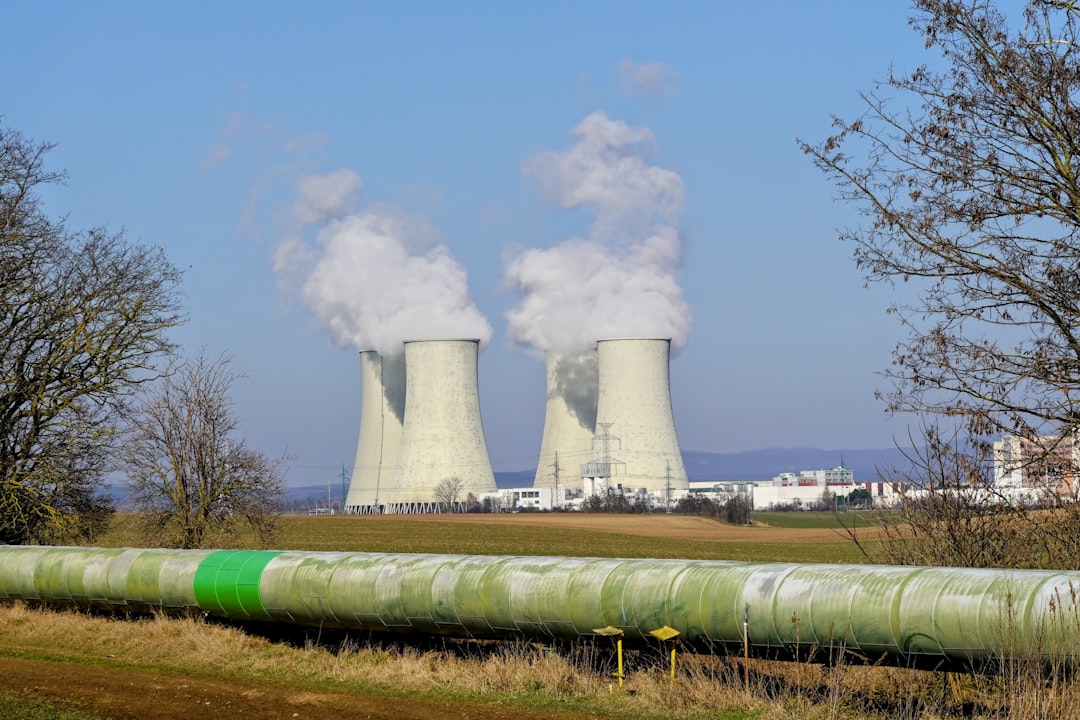
The statement represents a shift from previous denials about nuclear weapons development. Iranian officials now openly discuss radiological consequences of continued strikes. The warning suggests Iran may be preparing to weaponize existing nuclear material if attacks continue.
International monitoring agencies have lost contact with several Iranian nuclear facilities since bombing began. The International Atomic Energy Agency suspended inspections after staff evacuations in March, according to monitoring reports. Current nuclear material inventories remain unknown.
Strategic Implications
The prisoner exchange creates new dynamics in the six-week conflict. Iran now holds American prisoners alongside Soleimani relatives, establishing parallel leverage tracks for negotiations. Trump’s public celebration of the colonel’s rescue complicates potential back-channel talks, according to diplomatic sources.
Both sides signal willingness to expand targeting beyond military personnel. Iran’s arrest of Soleimani relatives breaks previous boundaries around civilian family members. US rescue operations demonstrate capability to extract personnel from Iranian territory, according to military assessments.
The nuclear warnings add radiological risks to an already complex conflict. European allies express concern about fallout risks if strikes continue on nuclear facilities, according to diplomatic reporting. Regional powers seek de-escalation while military operations continue.
The colonel’s rescue provides Trump with tactical success after weeks of mixed results. Iran’s response through prisoner arrests and nuclear warnings signals escalation beyond conventional military operations. Both sides now hold leverage that extends the fighting’s timeline and raises stakes for regional stability.