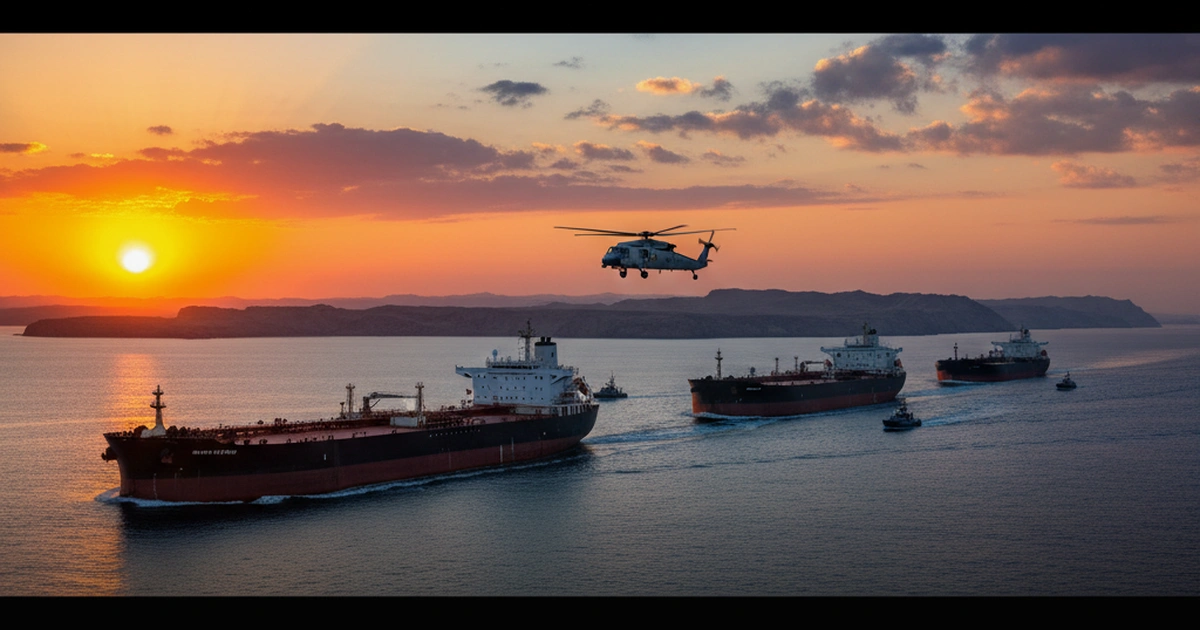
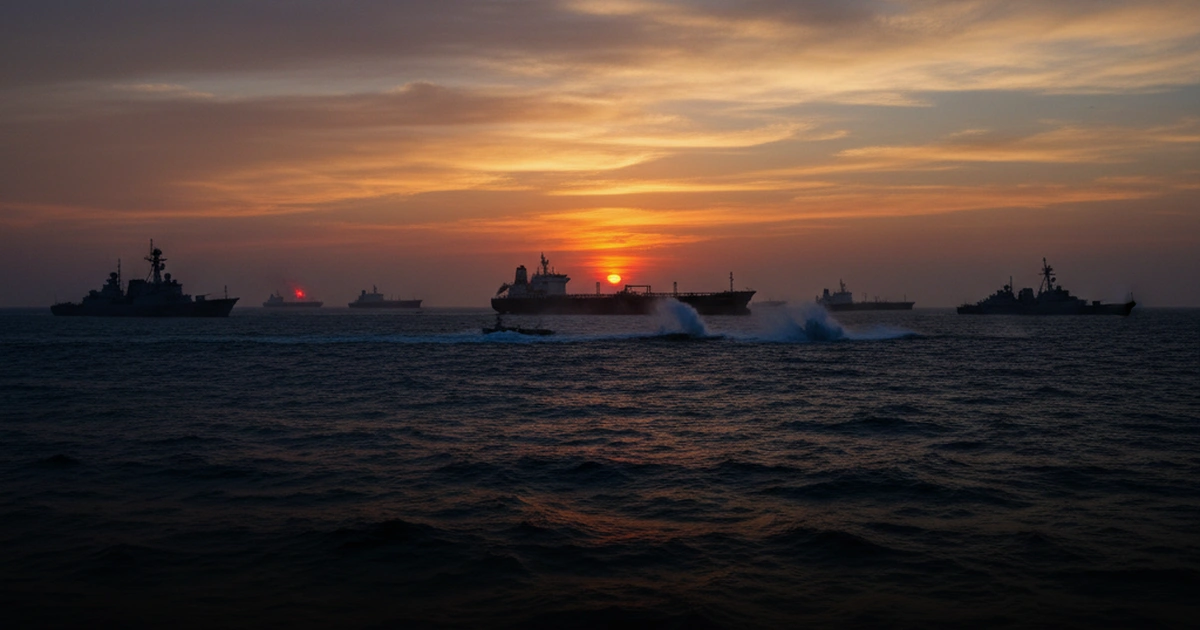
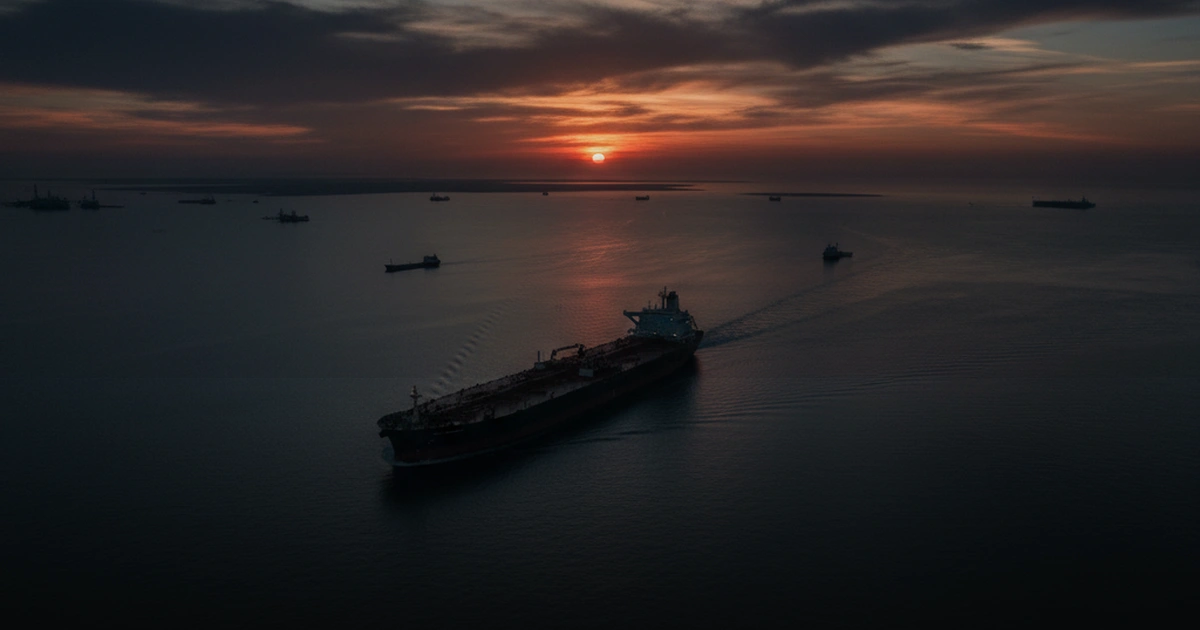
- The United States has suspended Project Freedom, a military operation tasked with escorting commercial vessels through the Strait of Hormuz.
- The pause follows reports of Iranian-linked attacks on commercial shipping, including a container ship identified as a target of an attack in the region.
- Officials suggest the suspension is intended to facilitate ongoing peace negotiations between Washington and Tehran.
The End of Project Freedom
The Trump administration ordered a halt to Project Freedom this week. This mission escorted merchant ships through the Strait of Hormuz during a persistent maritime standoff. The decision follows a series of skirmishes that tested the existing ceasefire. Tehran consistently challenged the U.S. presence. Reports indicate that Iranian forces threatened shipping and enforced a separate traffic corridor.
Security remained tenuous throughout the operation. U.S. commercial vessels carried military security personnel to mitigate the threat of mines and rapid-attack craft. The naval escort mission aimed to restore traffic flow, yet the underlying struggle for control of the waterway continues. This pause represents a tactical pivot. The administration now prioritizes a broader diplomatic settlement over active maritime enforcement. This shift suggests a move away from direct military confrontation toward a negotiated status quo.
Analysts identify a clear tradeoff in this decision. By withdrawing active escorts, the U.S. reduces the risk of accidental kinetic engagement that could derail peace talks. However, this creates a security vacuum. It forces commercial operators to choose between higher insurance premiums for unescorted transit or waiting for the diplomatic climate to improve. The administration is betting that the cost of a failed negotiation exceeds the cost of temporary maritime vulnerability.
Diplomatic Shifts
The suspension of the escort mission links directly to progress in peace talks. Reports suggest that the U.S. and Iran are closing in on a one-page memorandum to formalize an end to hostilities. Secretary of State Marco Rubio stated that the offensive stage of the war is over, though the situation remains volatile.
The calculus for the pause involves significant economic factors. Jet fuel prices have risen sharply since the conflict began. By pausing the operation, the White House aims to provide space for a deal that could stabilize oil transit prices. However, the risk of miscalculation remains high. A previous round of strikes was previously suggested as a likely necessity before any final agreement. This pattern of “negotiation by fire” suggests that the current pause is a fragile attempt to test Iranian willingness to de-escalate without losing leverage.
The Path Forward
The success of a ceasefire hinges on the ability of both nations to adhere to the terms of the emerging memo. The U.S. Navy continues to monitor the region, though it has directed ships along routes further from Iranian radar and patrol zones.
Diplomats are watching the U.A.E.’s response to recent attacks as a bellwether for regional stability. Whether this pause leads to a lasting de-escalation or a return to maritime conflict depends on the details of the final agreement. None of those options are popular. All of them are on the table.